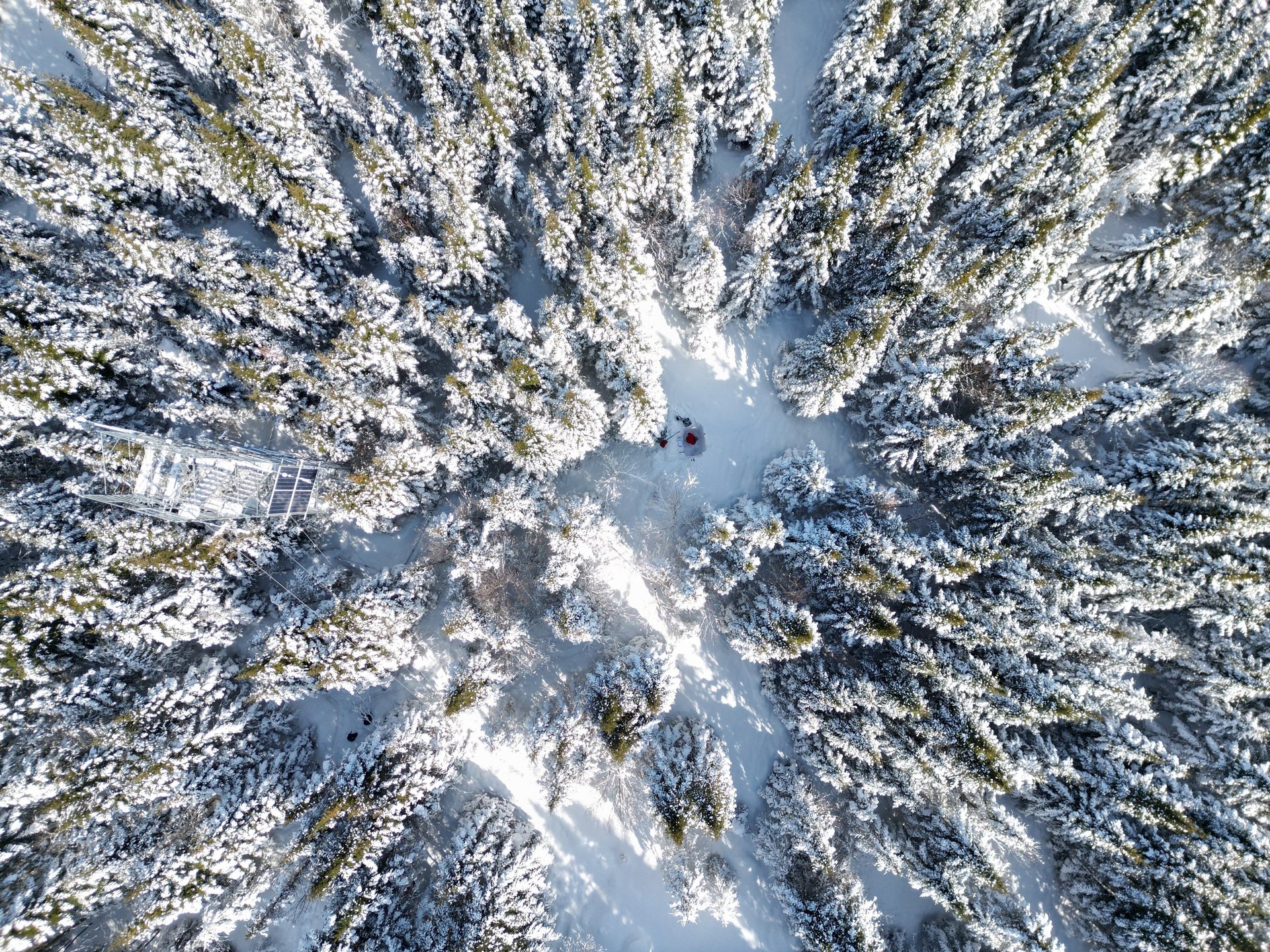
The boreal forest and Arctic tundra are two characteristic land cover types of cold regions. Making up nearly one third of the world’s forests, the boreal forest is the second largest vegetation biome on Earth, after tropical forests. In eastern Canada, the boreal forest is exposed to a cold and humid climate, where hydrological processes (evaporation, droughts, etc.) have so far been poorly documented.
Motivation
Boreal forest and Arctic tundra
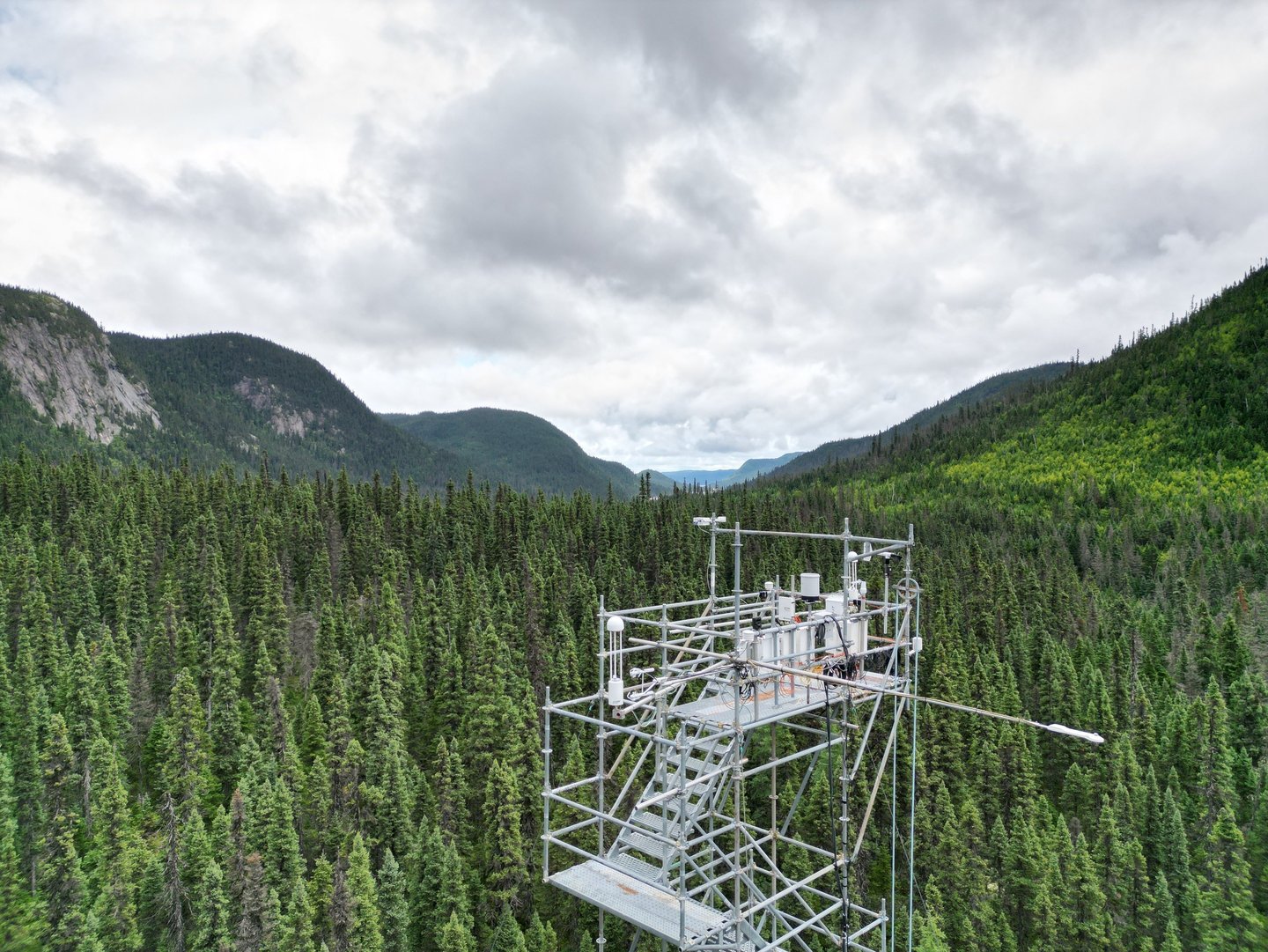
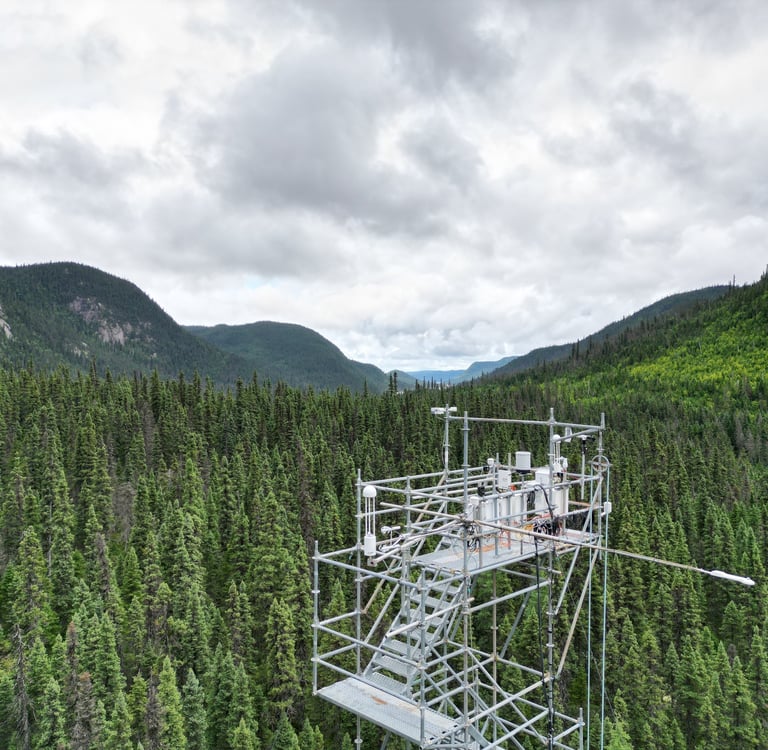
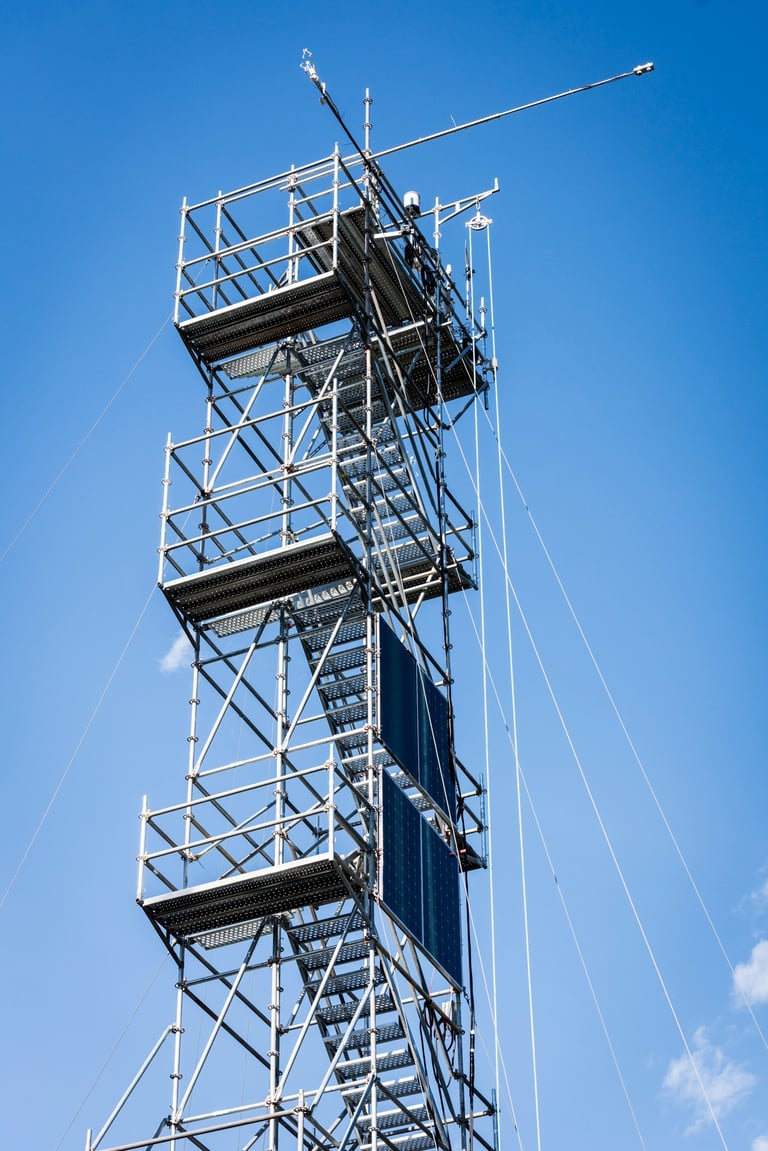
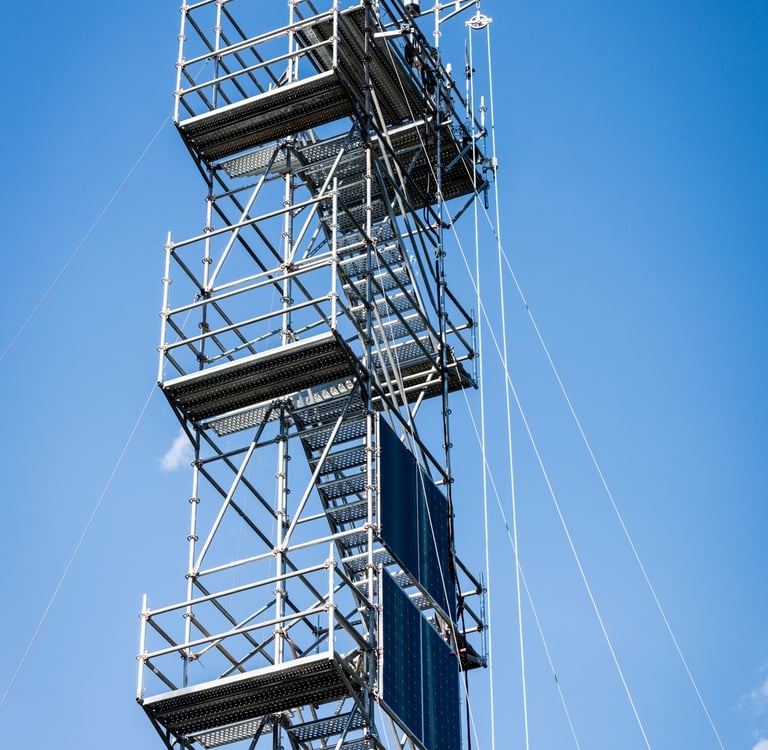
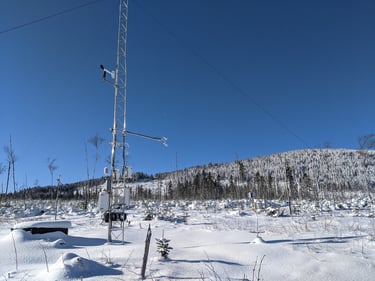
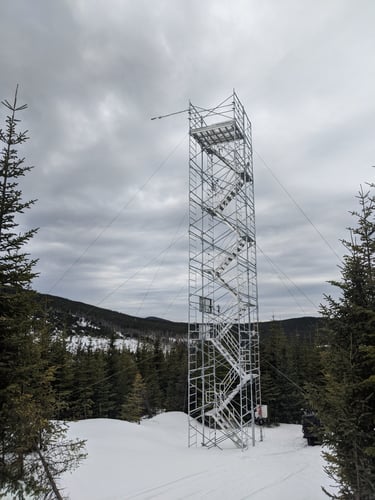
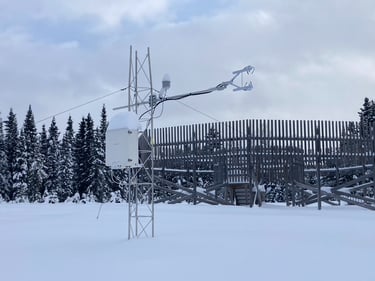
We are very active in two experimental catchments within Quebec’s boreal forest: the Montmorency Forest, in the heart of the Laurentian Mountains, in a balsam fir–white birch stand, where our team has been operating flux towers since 2015 in collaboration with Professor François Anctil; and the Bernard River watershed, on the North Shore, where we have been running a flux tower since 2018 in collaboration with Hydro-Québec, Professor Julie Talbot, and Professor Manuel Helbig. These installations allow us to monitor water and energy exchanges between the boreal forest and the atmosphere, in particular to better understand the components of evaporation (transpiration, evaporation of intercepted water, and soil evaporation) and their impact on river discharge.
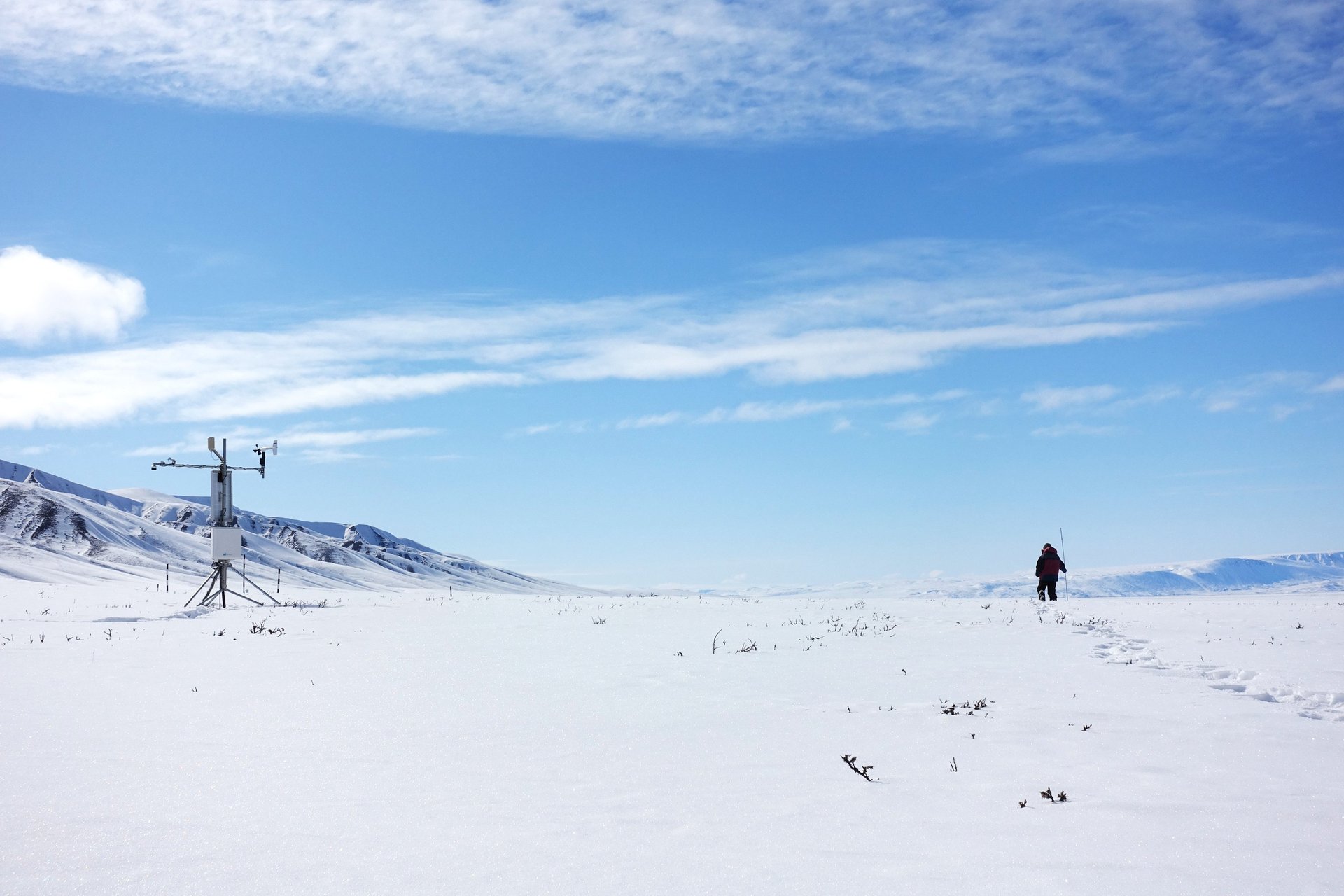
For its part, the Arctic tundra is a low-vegetation environment exposed to a harsh, dry climate, characterized by the presence of permafrost. With climate warming, shrub cover and height in the Arctic tundra are increasing, with important consequences for the ground thermal regime that need to be quantified.

Our work
In the Arctic tundra, we are interested in how shrubs accelerate permafrost thaw.
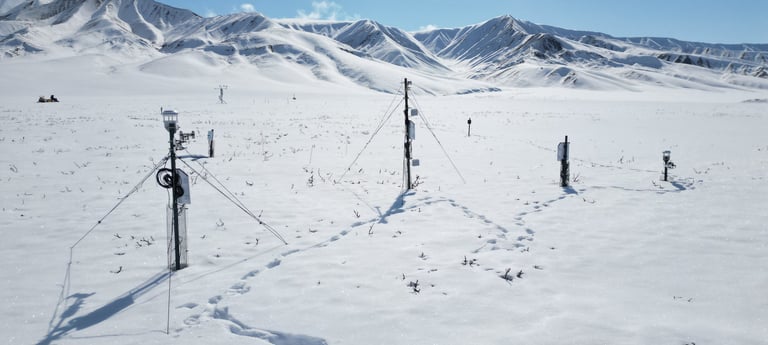
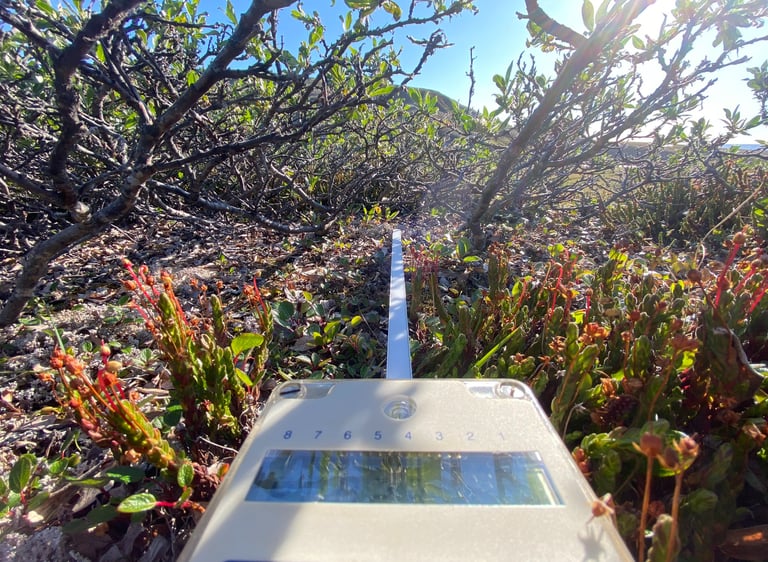
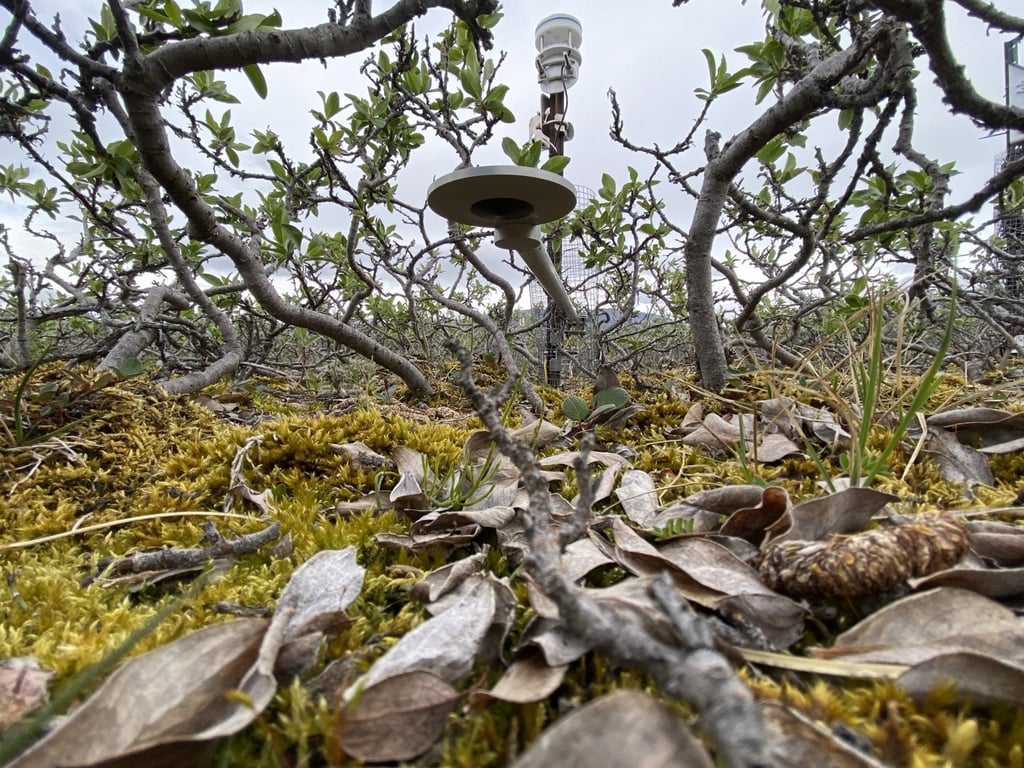
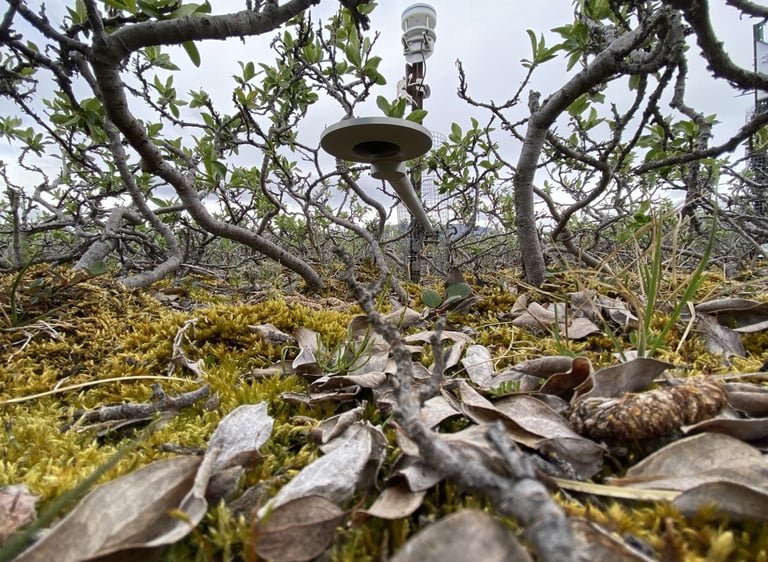
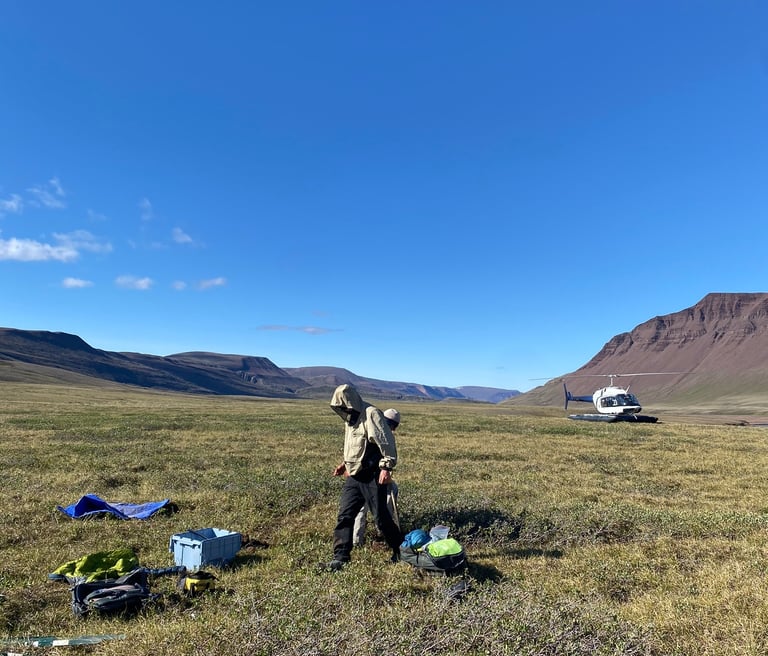
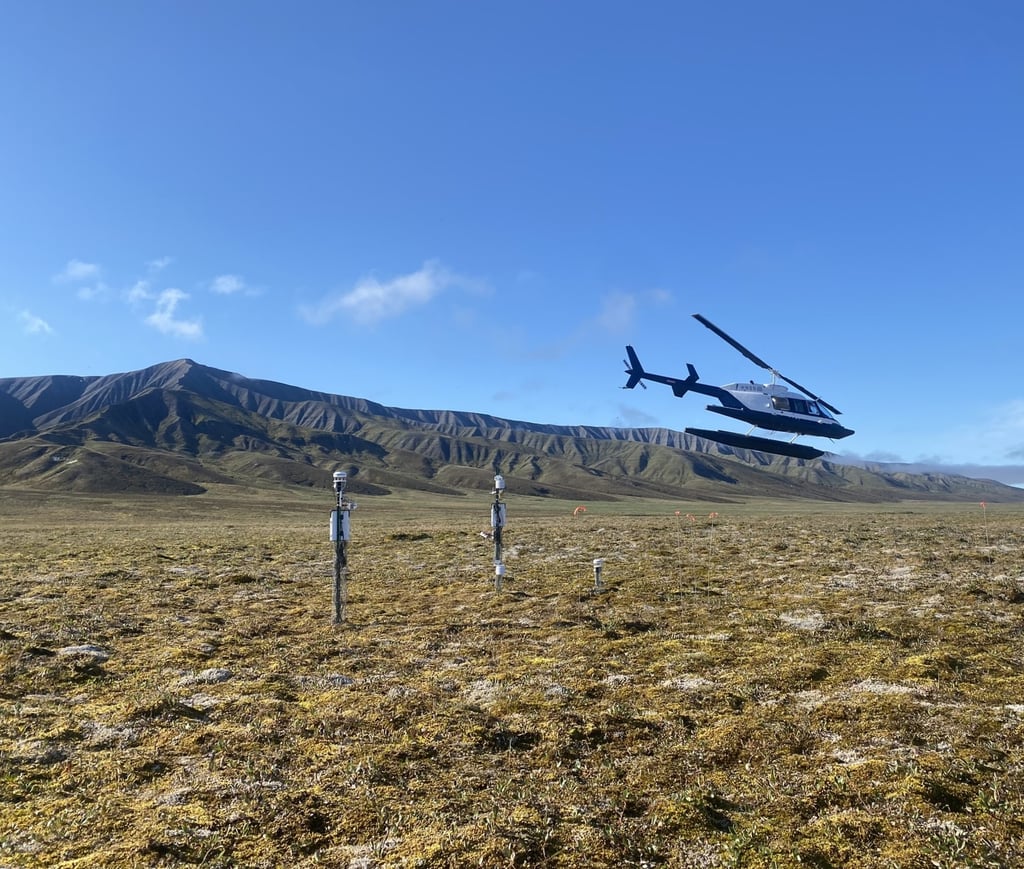
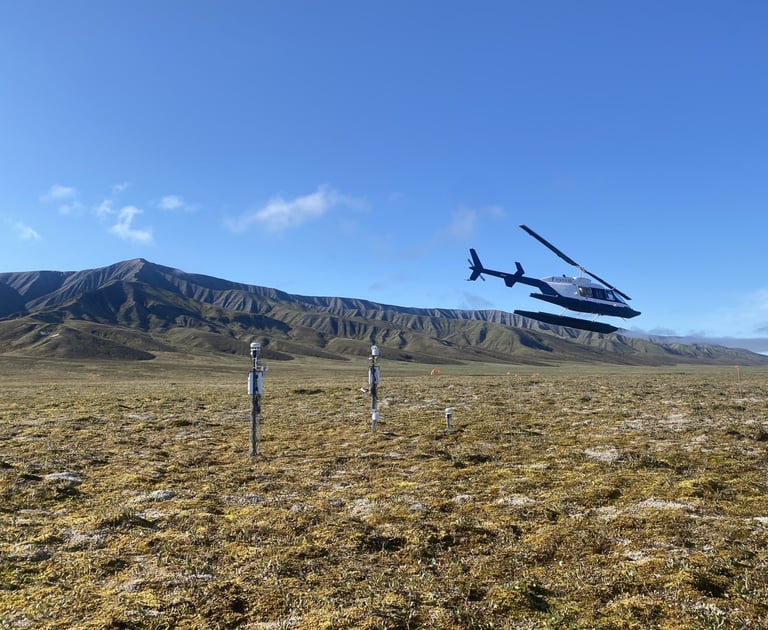
In 2024, instruments were deployed in the Qarlikturvik Valley on Bylot Island to study the components of the surface energy balance in shrub-dominated environments.
Flux tower in the Bernard River Valley on the Côte-Nord (photo credit: Hydro-Québec)
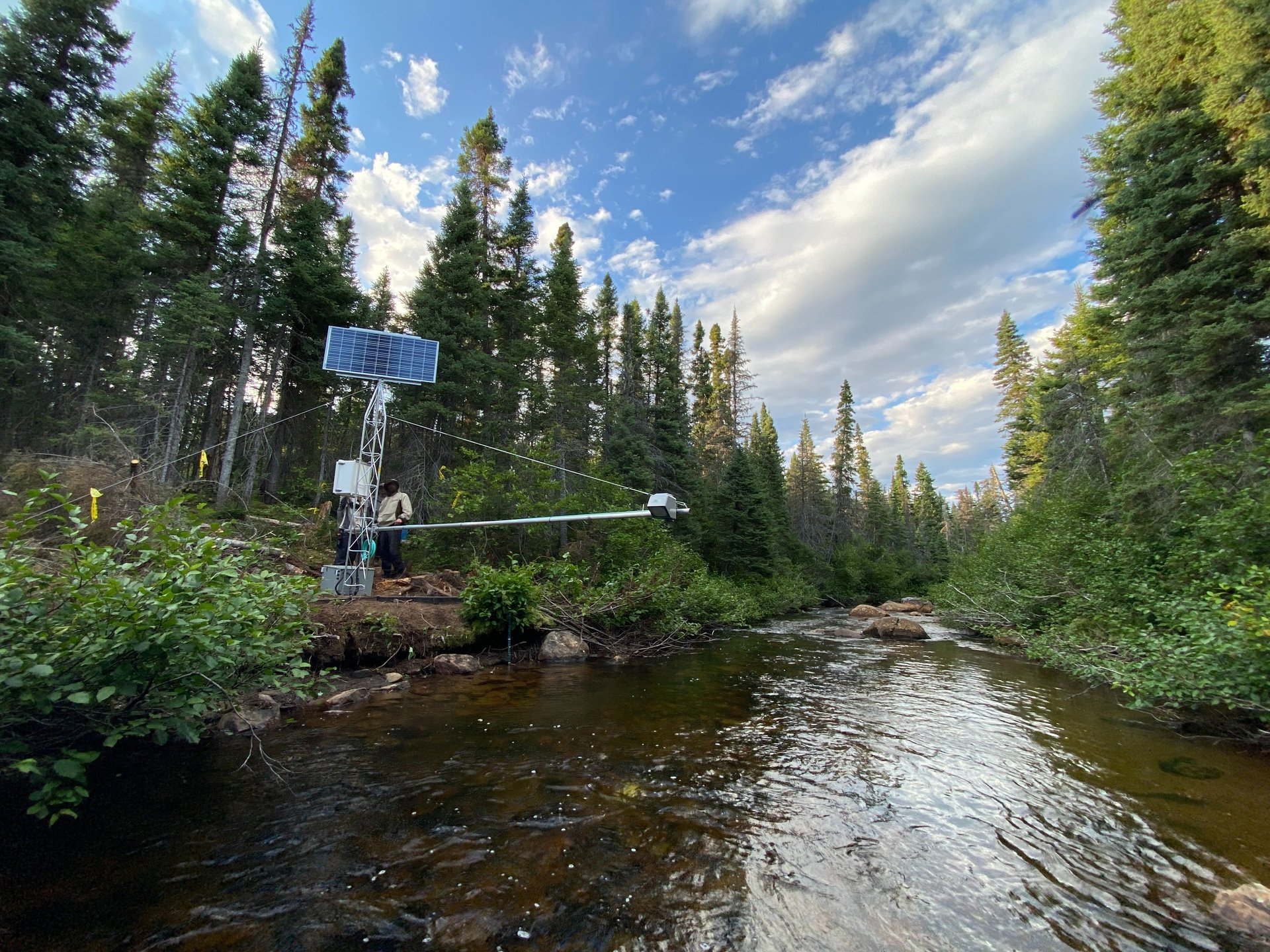
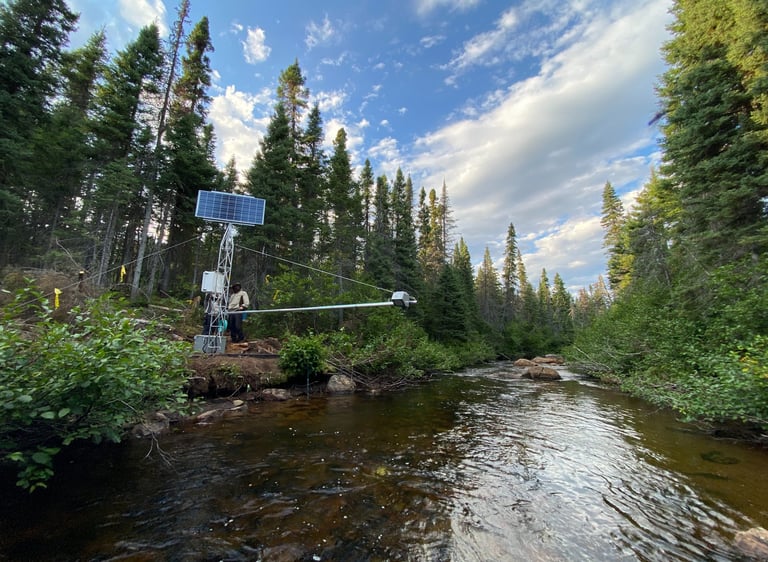
Sensors using different measurement approaches allow for continuous monitoring of streamflow.
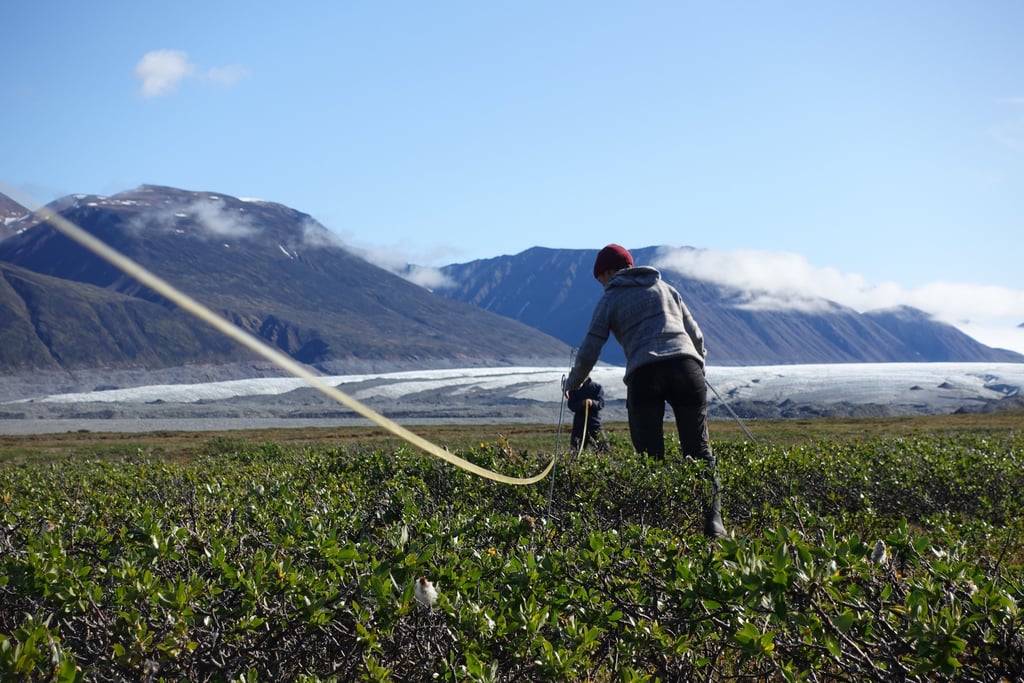
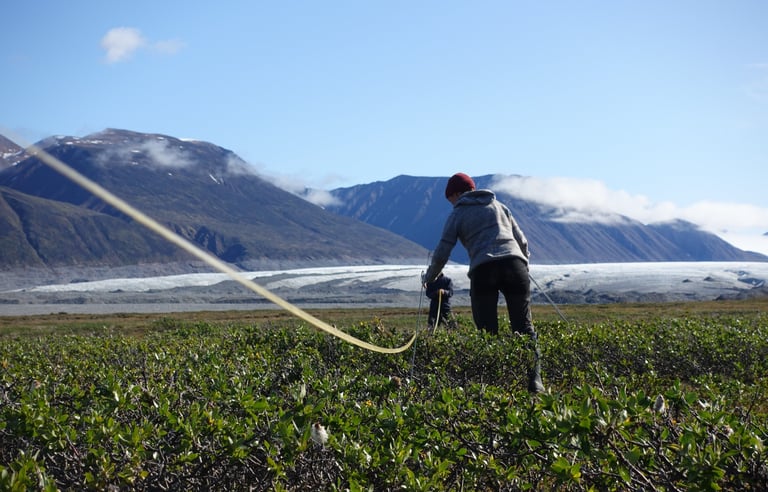
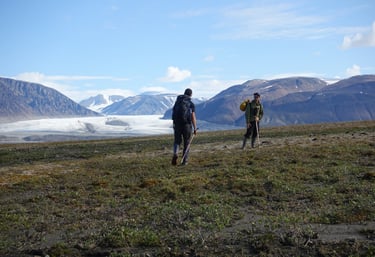
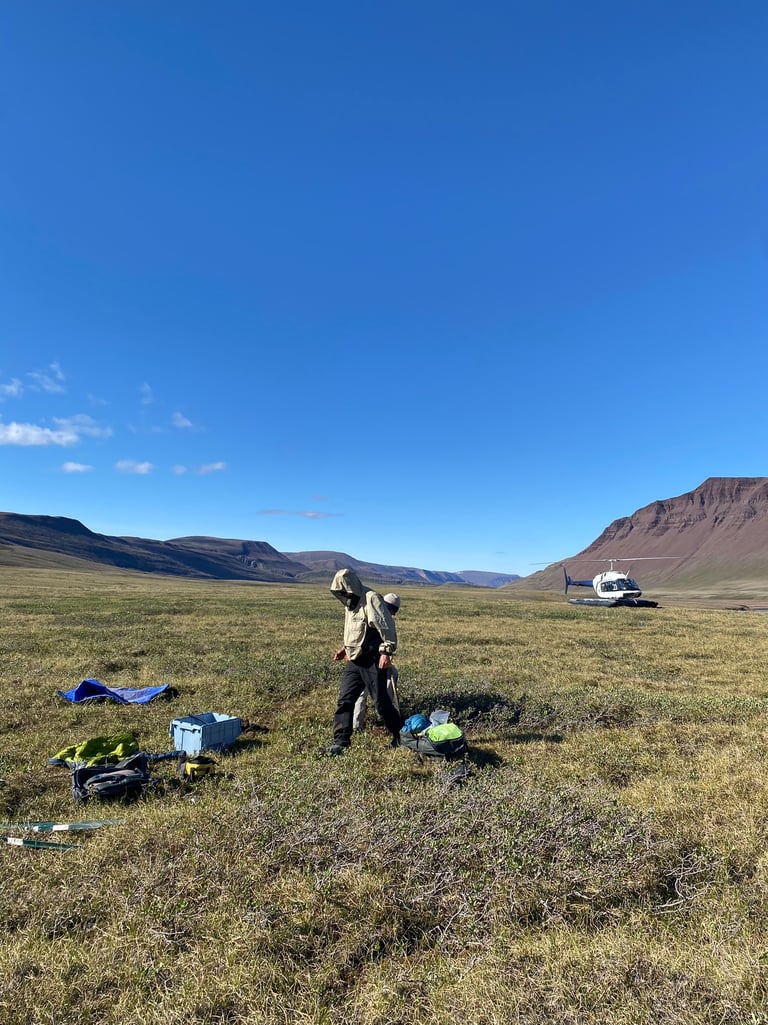
Fieldwork on Bylot Island and Baffin Island, Nunavut (photo credit: Étienne Tremblay)
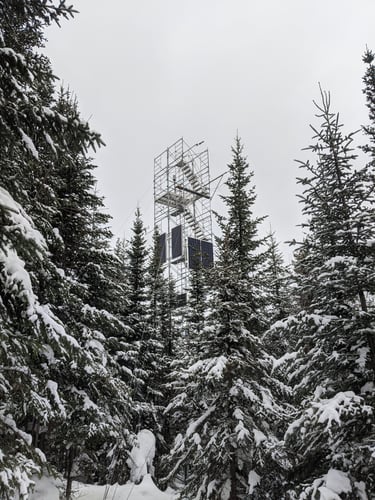
Different flux towers in various environments at the Montmorency Forest
(photo credit: Pierre-Erik Isabelle)
Video at the Montmorency Forest
(video credit: Antoine Thiboult and Benjamin Bouchard)
Hydrometric monitoring work and gauging station on the Bernard River
(photo credit: Nicolas Vallières)
Installation in a shrub environment on Bylot Island
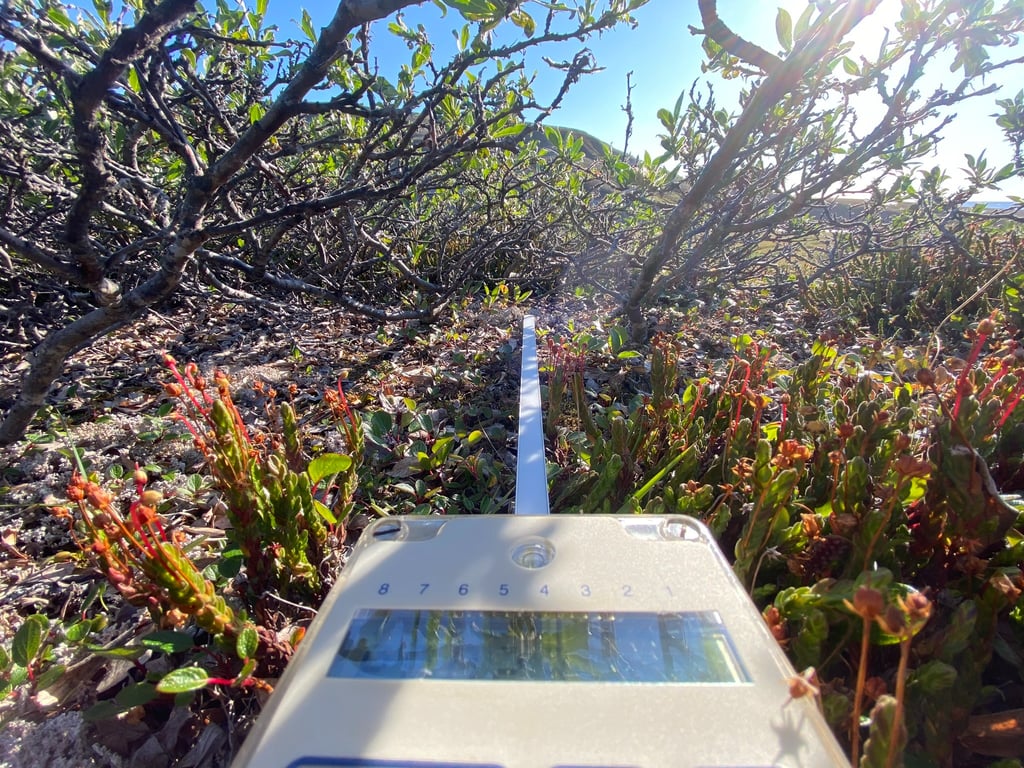
Shrub cover characterization
Net radiometer installed beneath shrubs
See the work of Étienne Tremblay
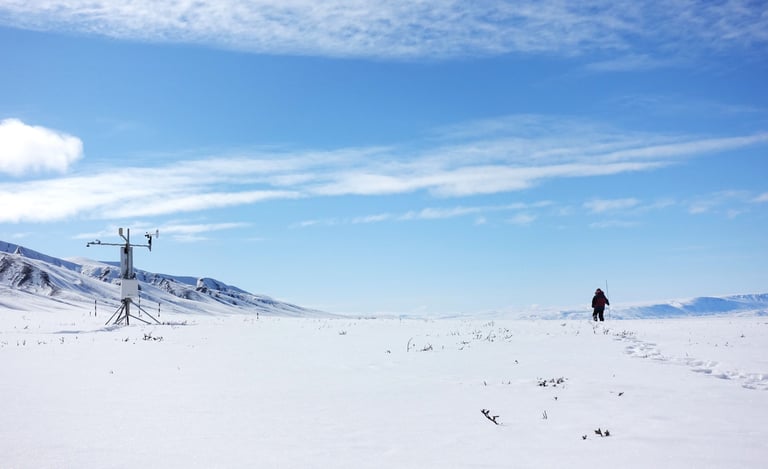
Instrumentation of a shrub-free tundra site on Bylot Island
Contact
© 2026. All rights reserved.
Pavillon Adrien-Pouliot
1065, avenue de la Médecine
Québec (Québec) G1V 0A6