Given the importance of snowmelt for recharging the aquifers that feed rivers in summer, and in the face of winters that are expected to change (with more frequent freeze–thaw cycles, mid-winter warm spells, and rain-on-snow events), it is more urgent than ever to develop a detailed understanding and modeling of the processes governing snow accumulation and melt on the ground.
Snow
Our work
Our work is based on field measurements of snow properties and its interactions with the atmosphere, vegetation, and soil. These observations are then used to help improve snow models used in Canada.
In the heart of winter, nearly half of the land surface in the Northern Hemisphere is covered by snow. Because of its high albedo and low thermal conductivity, snow helps regulate near-surface air temperature on a global scale and strongly influences the thermal regime of the ground.
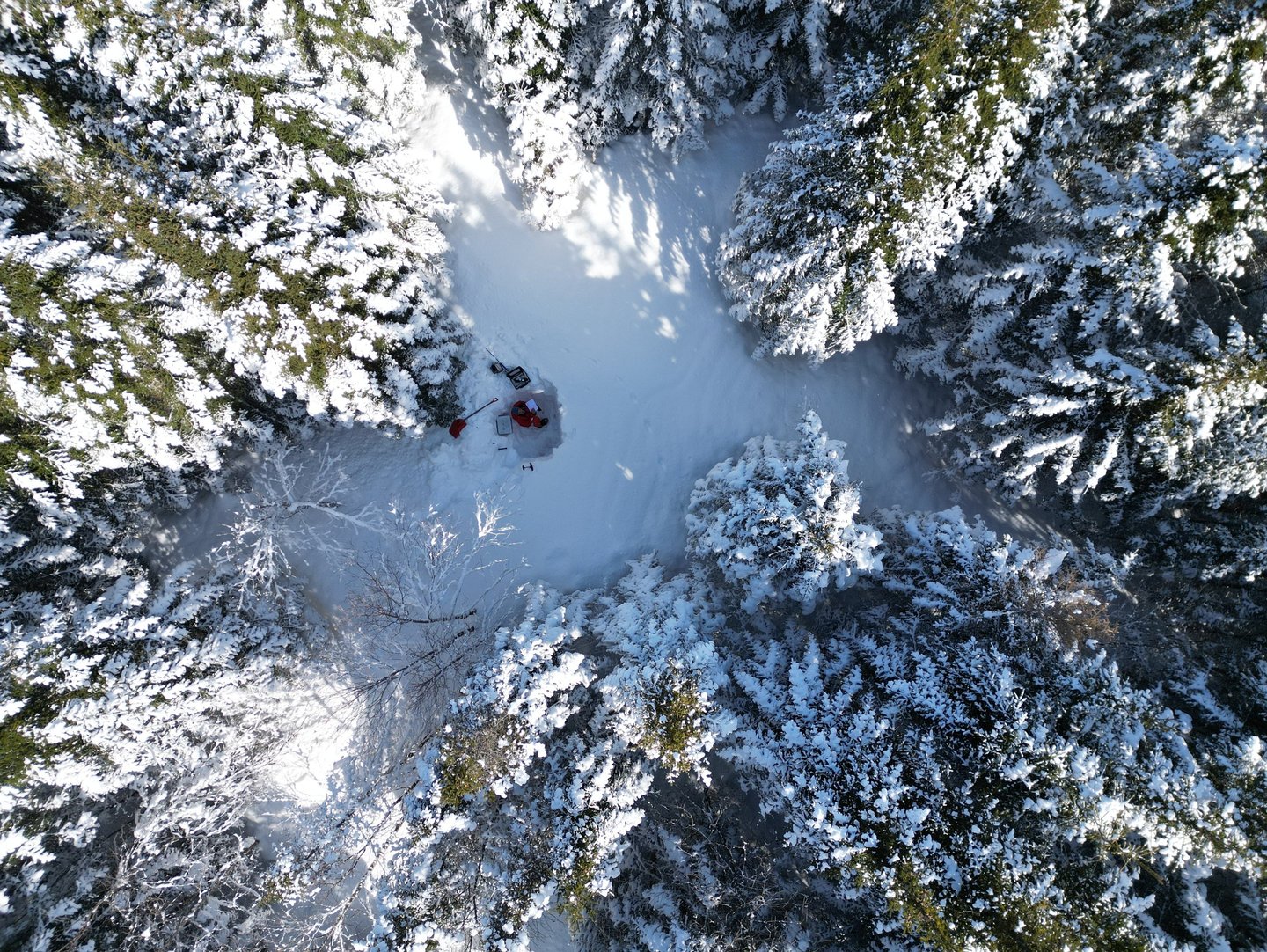
For example, we are interested in how the presence of a forest canopy affects the snow on the ground. The forest intercepts part of the snowfall and also modulates energy exchanges with the atmosphere. We are working to quantify this interception so it can be better represented in models, and we are also studying the spatial variability of the physical properties of snow on the ground in forested environments.
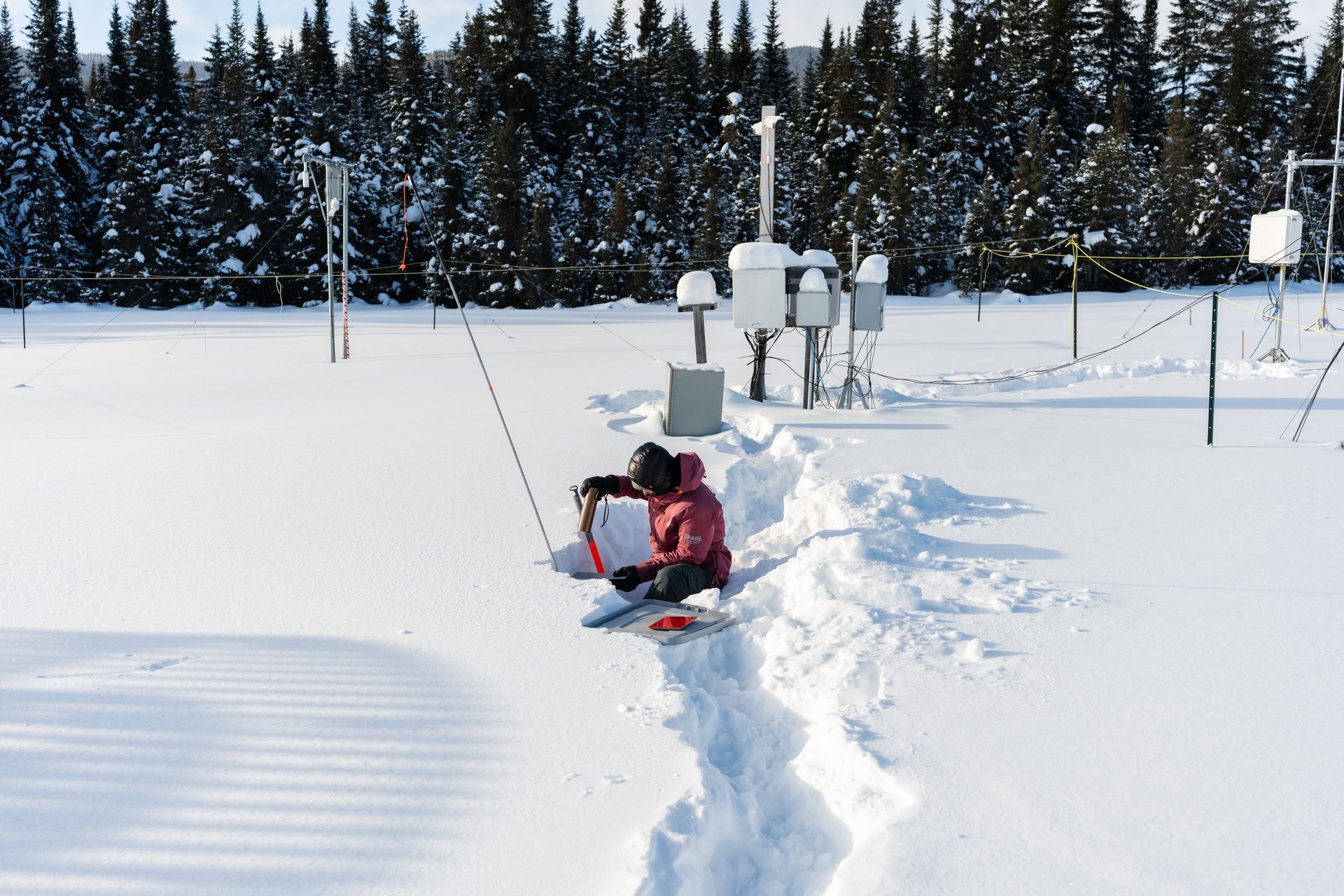
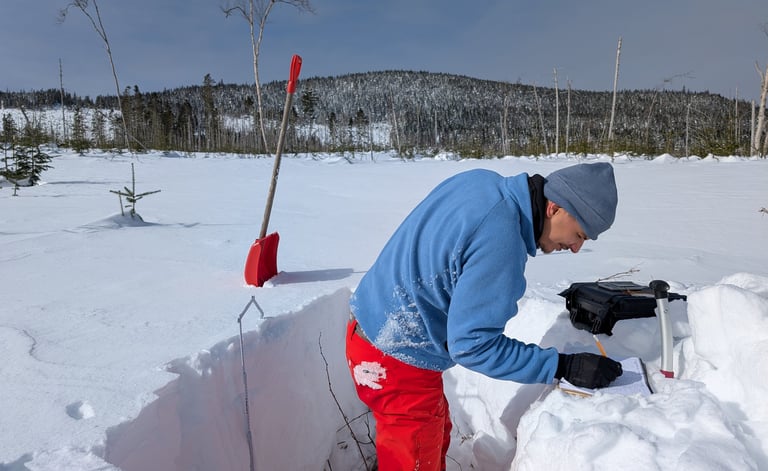
Dmitry Pershin inside a snow pit at the Montmorency Forest – Winter 2024 (photo credit: Pierre-Erik Isabelle and Emmanuelle Barrette)


We are working to better represent the response of the snowpack to winter rain events in models, guided by our observations. Our main measurement sites are located in the Montmorency Forest and the Bernard River Valley on the Côte-Nord (North Shore). We also have ongoing work aimed at better representing the physical properties of the Arctic snowpack within Canada’s hydrometeorological forecasting system.
In the Media
In this episode of La Semaine verte, our team presents its work on snow and water at the Montmorency Forest, and how it helps improve our understanding of the northern climate.
«La neige fait partie du paysage canadien. Sans qu’on s’en rende compte, elle joue un rôle crucial, à la fois comme réserve d'eau pour les rivières et comme manteau isolant pour les sols en hiver. Mais étonnamment, elle n'est pas si facile à étudier.»
La Semaine verte - 11 january 2025 episode
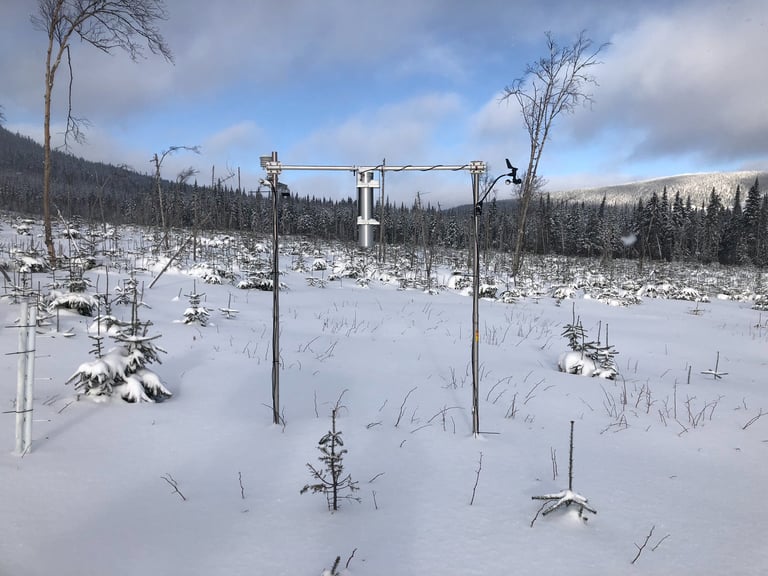
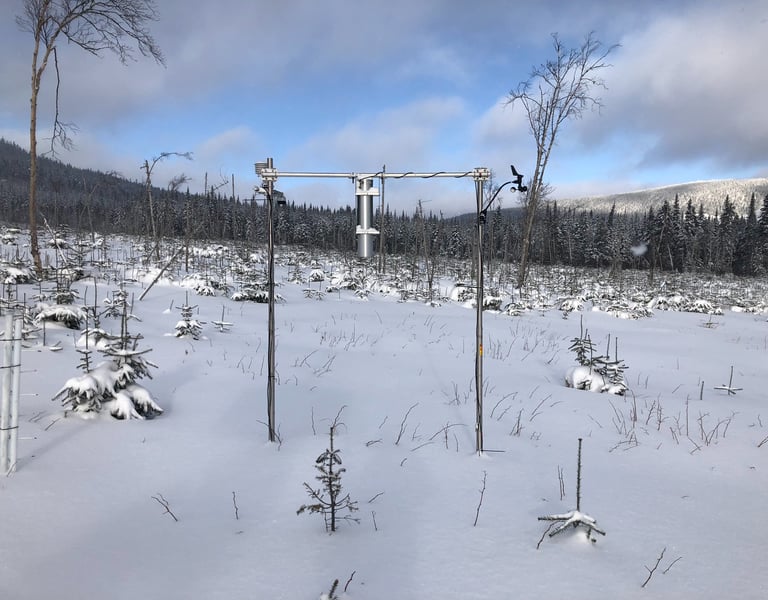
CS725 instrument used to measure changes in snow water equivalent
(photo credit: Dmitry Pershin)
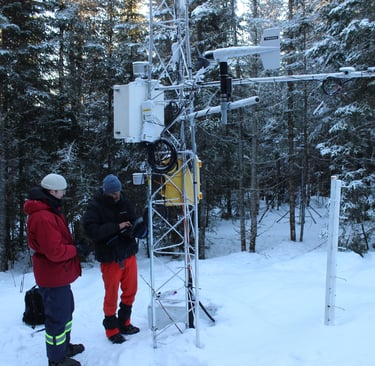
Instrumentation tower in a forest clearing at the Montmorency Forest
(photo credit: Daniel Nadeau)
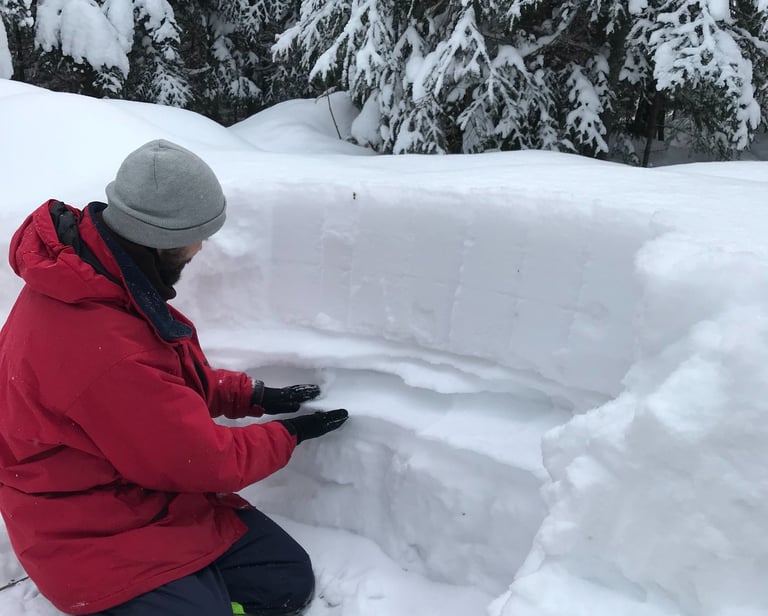
Benjamin Bouchard with some melt-freeze layers
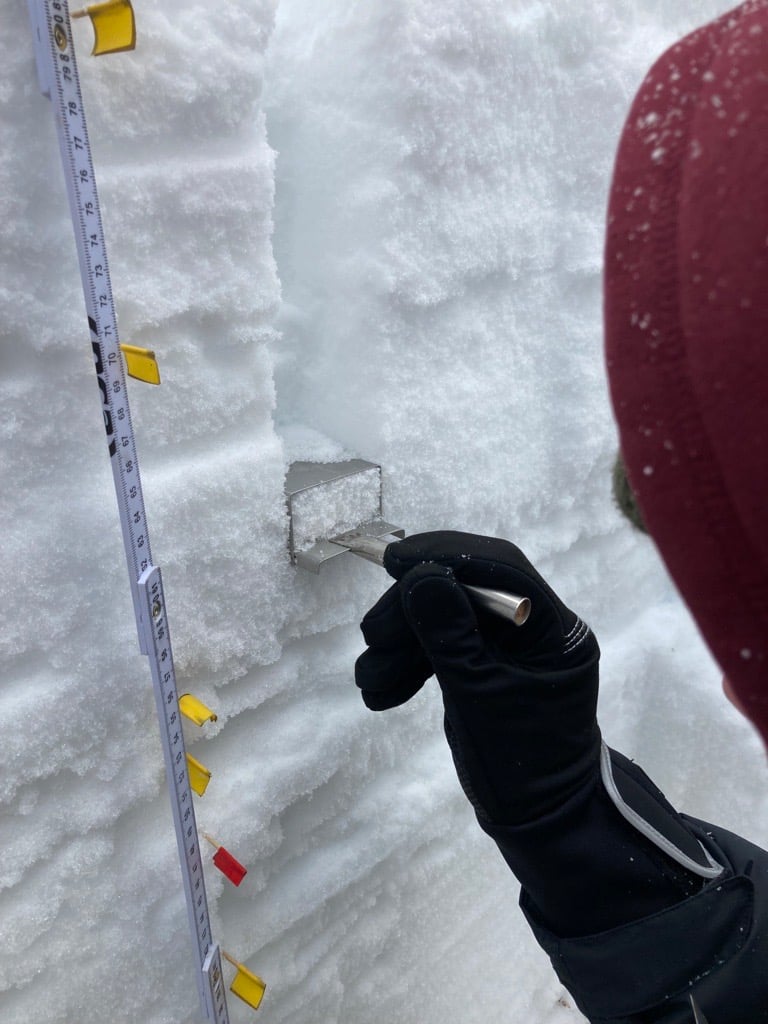
Snow density measurements
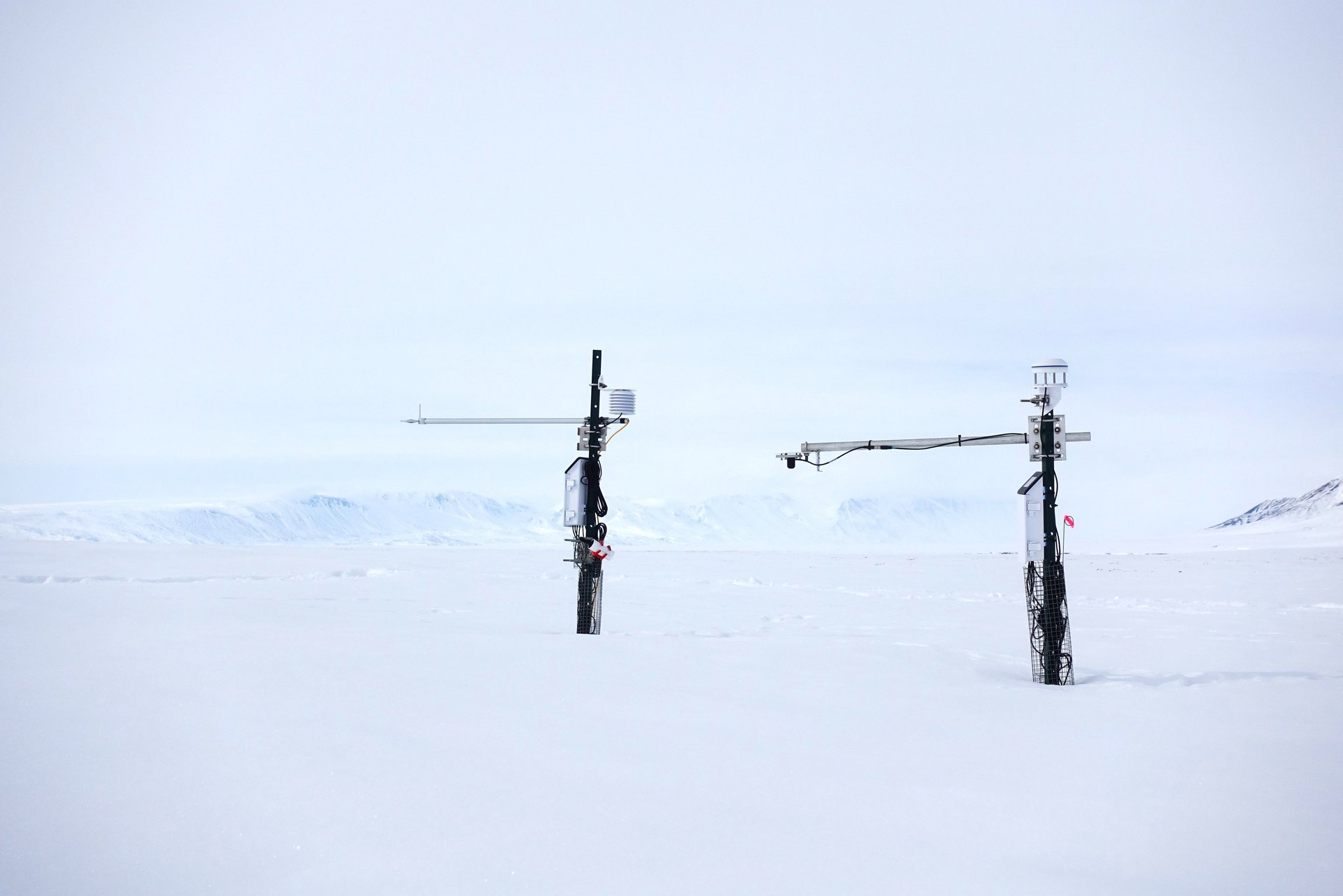
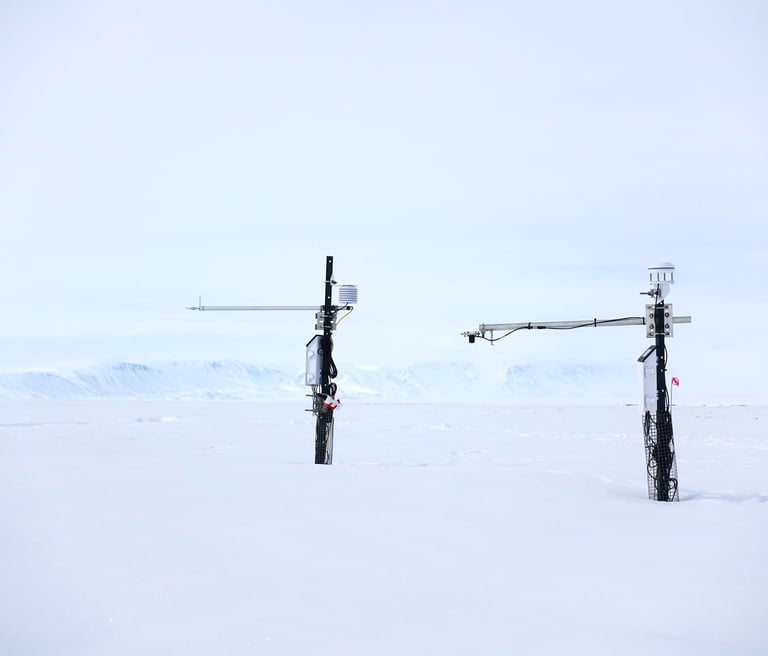
Instrumented measurement site on Bylot Island in the Canadian Arctic Archipelago
Motivation
(photo credit: Benjamin Bouchard and Etienne Tremblay)
Contact
© 2026. All rights reserved.
Pavillon Adrien-Pouliot
1065, avenue de la Médecine
Québec (Québec) G1V 0A6